

The Data
Currently the Silver Age format is dominated by Kayo (not the dice rolling one) in representation. The one-armed powerhouse has convinced a large amount of the community that it is the best deck in the format, but why? Well, at the completion of the first ProQuest season for this brand new format two decks stood confidently above the rest: Briar and Kayo. Briar was overwhelmingly the most consistent performer across the ProQuest season and, as a result, was targeted very heavily during the Banned and Restricted announcement following the completion of the Silver Age portion of Pro Tour Vegas qualifiers.
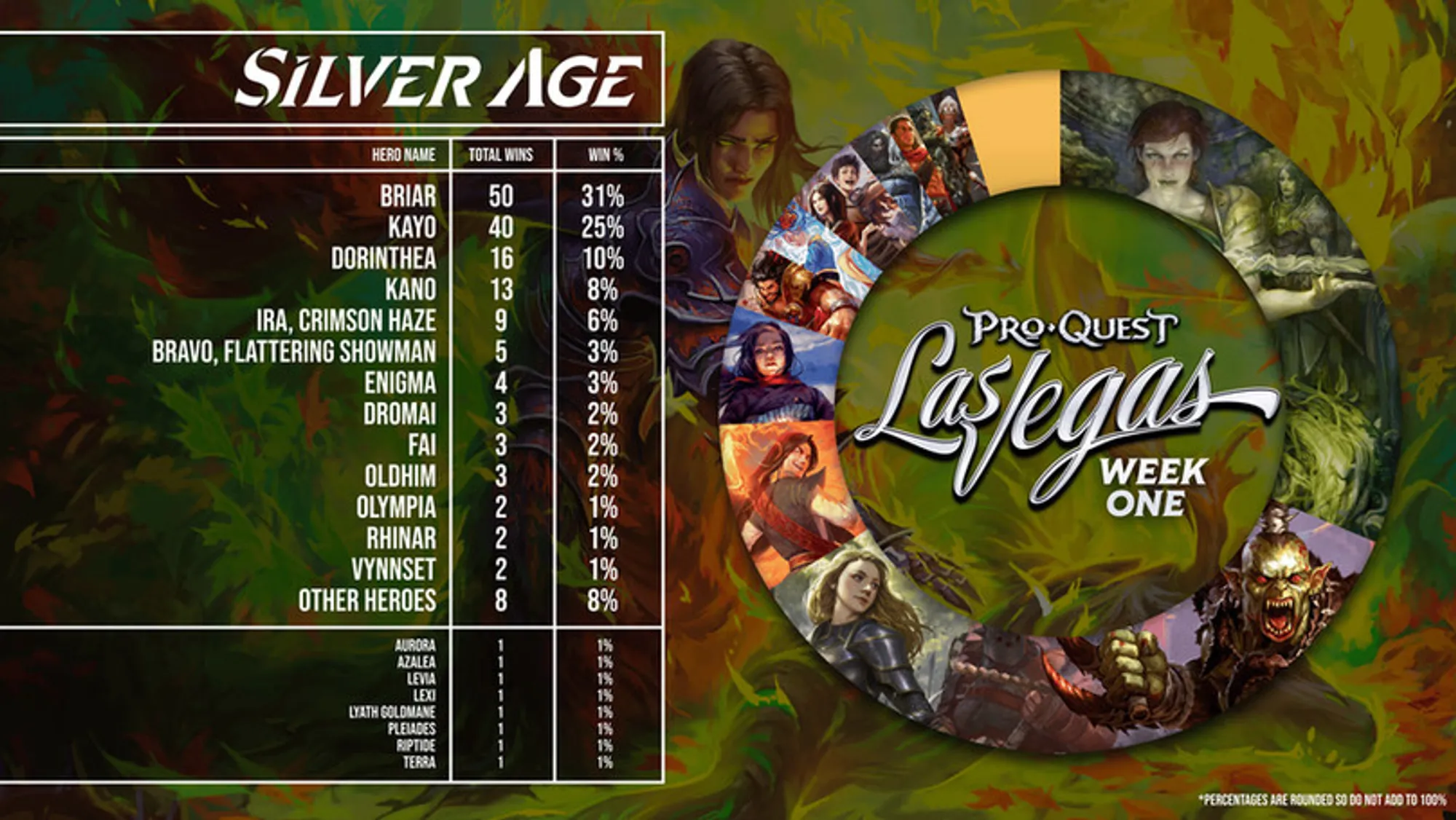
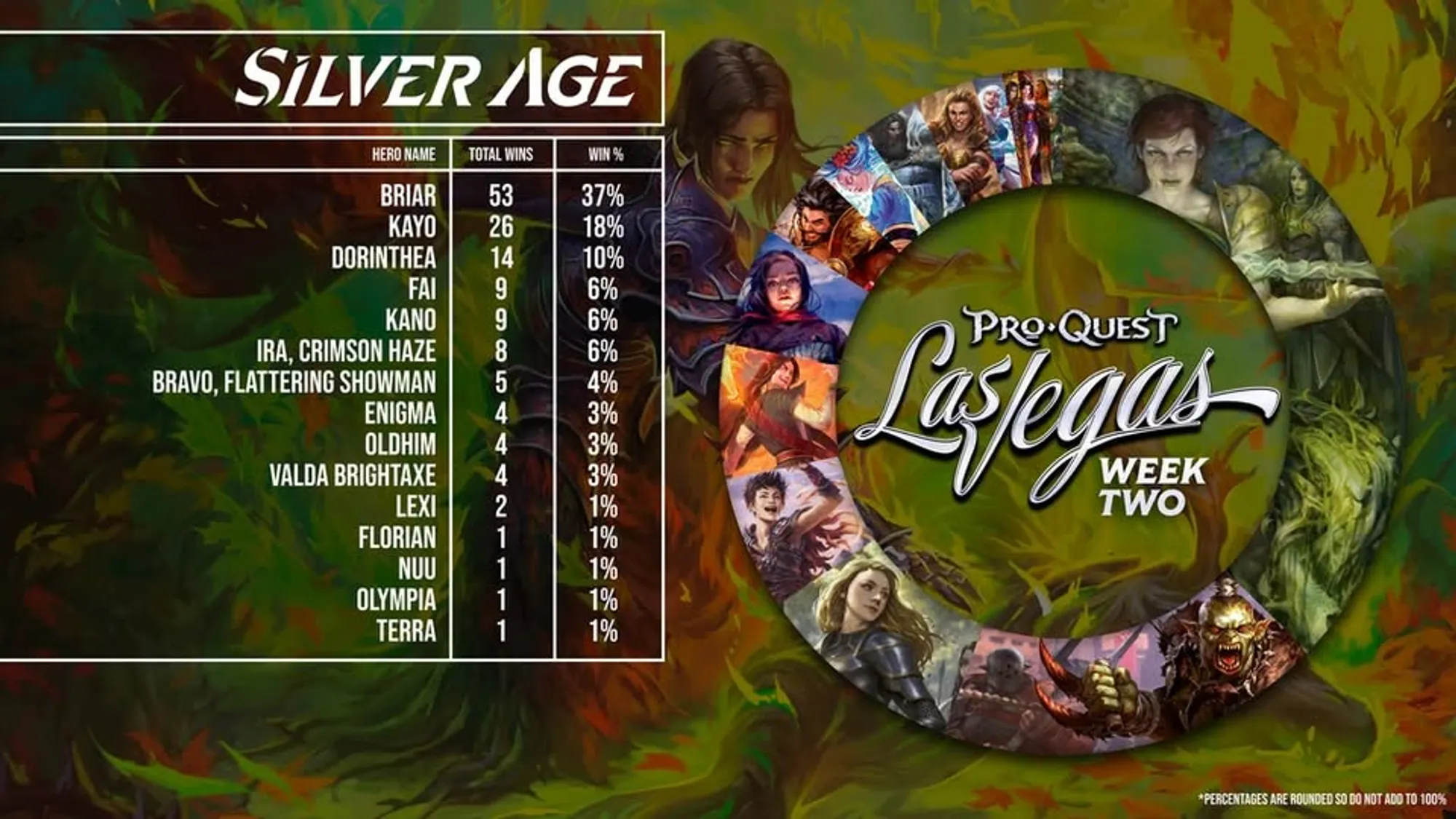
Briar accumulated an impressive 103/302 total wins across the two weeks of competition for a total win rate of 34.1%. Kayo had 66 for a 21.8% win rate. A difference of approximately 12.25%. Briar was very clearly a deck that was considered “out of bounds” in its power level for the 20 life format it was calling home. On Tuesday March 3rd, 2026 the following cards were banned from the prepotent pillar of the format:
Many players rejoiced in the amount of damage that had perceivably been done to the powerful Elemental Runeblade hero, while others lamented in what they believed to be the relegation of their hero to the prison of Living Legend once more. This created a torrential power vacuum for the top spot in the format that was eagerly filled by Kayo, ready to take the World Tour on a Wild Ride. The community was far from shocked at this realization as virtually no impactful cards had been banned from the hero’s impressive tool-kit on the March 3rd announcement. Some of the more hyperbolic voices in the space screamed and complained about the decision to leave Kayo unchecked and that there was absolutely zero reason to bring any other deck to a Silver Age tournament. This spun a narrative that gripped the minds of competitors and turned into a scenario in which people did not want to play the format and ignorantly believed Flesh and Blood had entered another “Tier-0” format. The result of this was AGE seeing a precipitous drop in attendance for SAGE events
The Card that Changed Everything
It is now April 4th, 2026 and while Kayo continues to be represented very highly it is not seeing the expected, or previous level of, tournament success that was heralded by the tumultuous voices of Flesh and Blood content creators. In this same regard Briar has been written off as a decomposed, disheveled husk of her former glory. Fear not, Briar fans. Her death has very much been exaggerated. Enter Sigil of Voltaris.
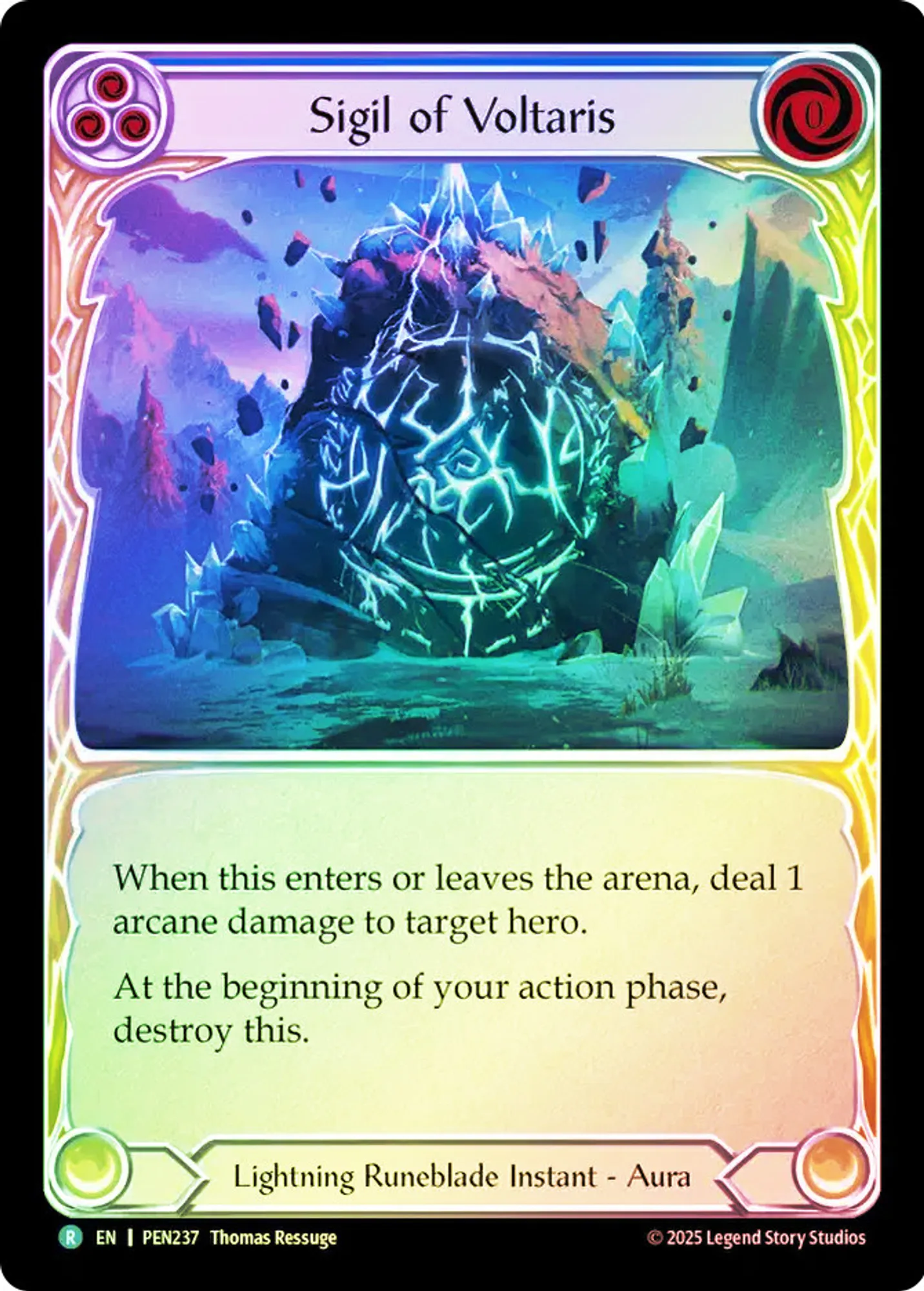
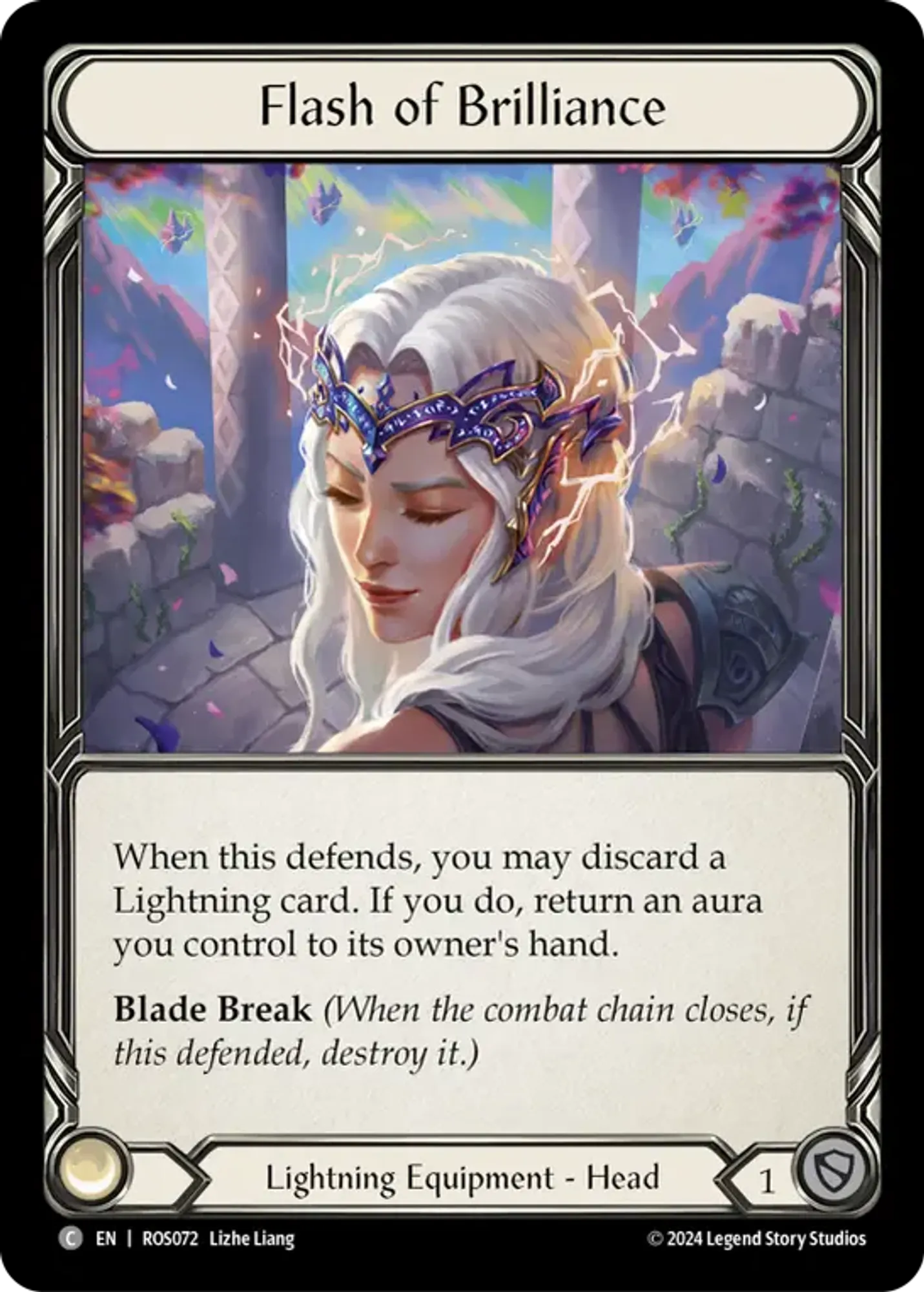
This card seemed very innocuous when it was revealed as a part of the Compendium of Rathe supplemental set. It's a blue 0-cost instant aura that doesn’t block and it only converts to 2 value in vacuum. Many people, including myself, wrote this card off initially, the math just didn't seem like it was there. However, in a panic before my first ProQuest event I was scrambling through the labyrinthian maze of my collection looking for Blade Beckoner Helm and was becoming disheartened when I could not find it 24 hours before the event prior to the Briar bans. I sheepishly pulled out stacks of Rosetta bulk to look for a suitable headpiece to replace what was considered the meta choice for the deck. After flicking through endless commons and rares, I found the piece that might tie it all together, Flash of Brilliance.
Meme or Meta Defining?
The headpiece does wonderful, incredible, wizard-y nonsense in Classic Constructed in the hands of Oscilio, Constella Intelligence and I thought, “Can I do the same thing here?” I looked at the two cards for a long time, time I didn't really have as the event was nearing sooner and sooner. In conclusion, I was a coward and eventually borrowed the cards I needed to play the list popularized by Bartosz Ziemba and Paul Van Gijssel which served me well and I was able to win my event. However, my teammates from Salt The Wound were in attendance and I mentioned my thoughts to Jacob Shaker. We discussed this card heavily during and after the event. The following day, Jacob popped into the Briar channel of the team Discord and posted a link, followed by: “Jesse I figured out the sauce.”
It felt like one of those all hands on deck moments. The kind that no one on the team wants to miss when you feel like you have something special and powerful in your hands and no one else does. A flurry of testing ensued. The first twenty games presented a staggering 90% overall win rate into the format, and only dropped two games into Bartosz’s more popular variant. My teammate Trent ominously responded “This seems like a problem..”
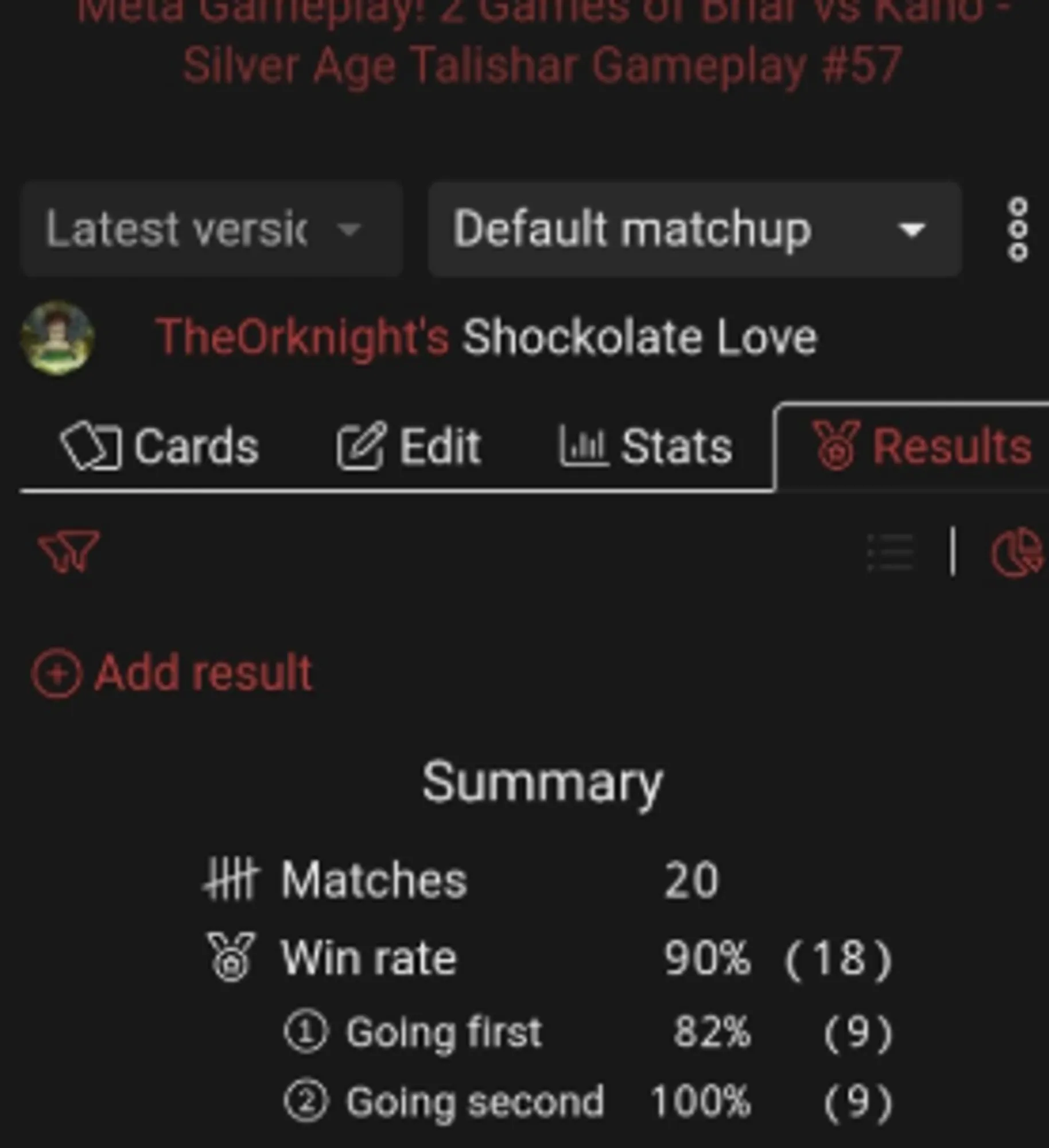
Shockolate Love
We found that most decks could not present AB1 profitably into the format and that typically decks submitting it into Briar was incorrect as it often led to them having to go down 2 points in defensive value to stop a single instance of 1 offensive value. Even the decks that had the blues to make up for it not only lost physical health in the form of their total armor block but often found themselves in a ‘damned if you do, damned if don’t’ situation. Two out of four members of Team Salt the Wound (Hazel and Jacob) in attendance at the next ProQuest made Top 8 on the list, resulting in Jacob getting his invite in a completely undefeated run at the event.
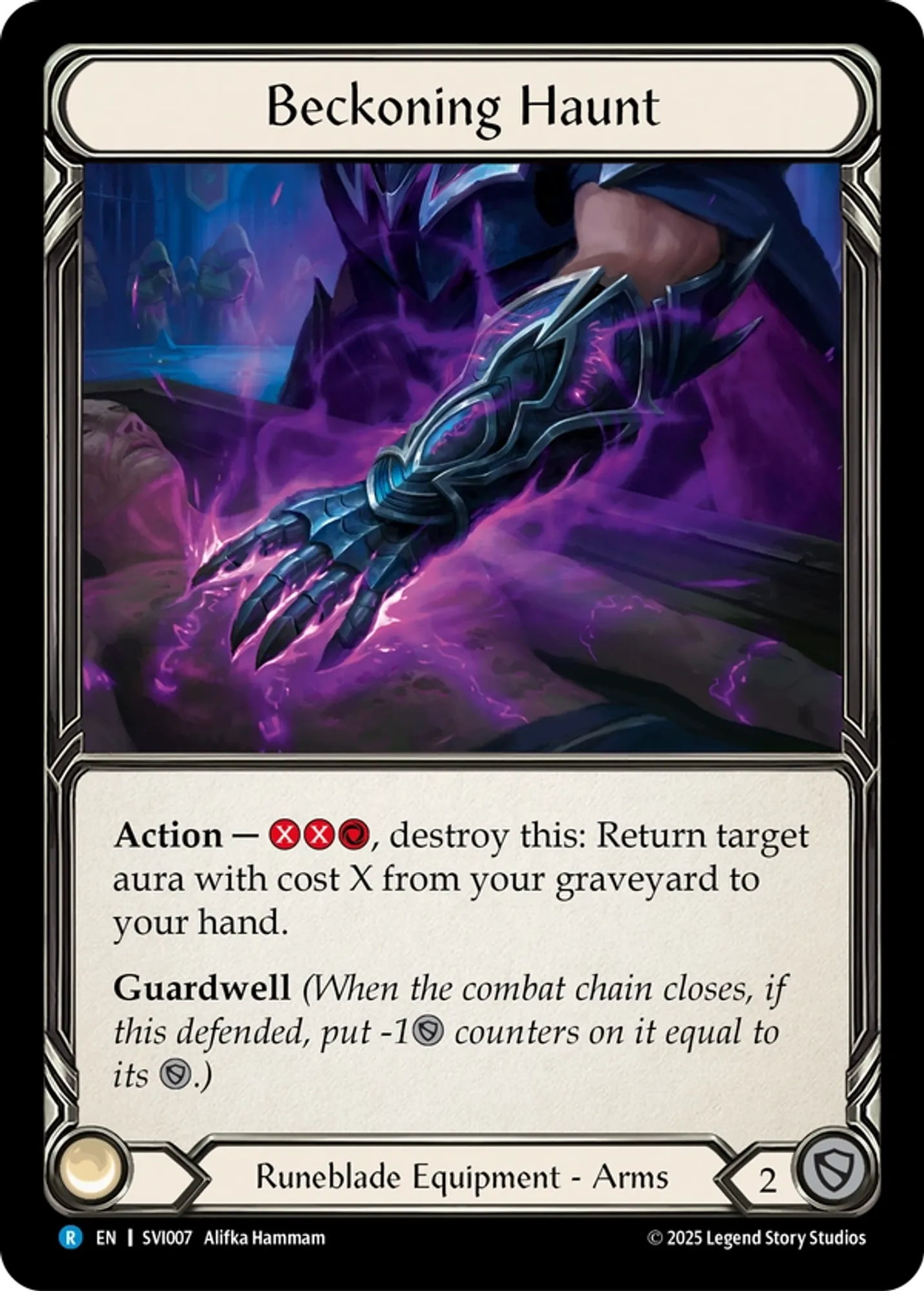
The affectionately renamed ‘Scam Briar’ is predicated on trying to scam people from certain life thresholds using a myriad amount of singular instances of arcane damage. Sigil of Voltaris works in tandem with Flash of Brilliance to create a minimum lethal range of 3 on an opponent's turn. Add in any color of Sigil of Suffering and now the range is 4 on their turn. An example of this turn is to play Sigil of Voltaris as an instant after an attack has been declared (pinging for 1), then block with Flash of Brilliance and resolve the trigger. Discard a Lightning card and you are allowed to then pick up Voltaris which presents another arcane ping for 1, then replay Voltaris and create another ping when it enters the arena. In the reaction step, defend with a Sigil of Suffering, pinging for another instance of arcane for a total of 4 arcane damage on their turn. The crazy part is it doesn’t technically end there. Sigil of Voltaris will leave the arena at the start of your action phase, so under the assumption the game is still going, that brings the total value across both turn cycles to 5 arcane damage. Now if you’ve been counting you have only used a total of three cards from your hand in this line. That means you have one leftover, not including any potential arsenal cards. You have one card leftover to pitch into Beckoning Haunt and buy back the Sigil of Voltaris to replay it on your turn because it is an instant, resulting in a total of six arcane damage across one full turn cycle. The highest amount of life I have personally died from in this manner is 9.
Silver Age games very much highlight the tempo dynamics of Flesh and Blood and they typically devolve into ‘race’ scenarios which involve both players throwing hands at each other until someone dies. This might not sound very fun to some, but it is important for looking at the construction of the deck and why the ability to scam with arcane is so powerful. At this point most players who have been around awhile will understand that leveraging your hand size and armor block to be able to optimize your turn, while limiting your opponents options is crucial to success in a format where one mistake can spell disaster. Understanding this, we sought to deny opponents the option of using their armor in a way that they can use to buy them the necessary space to put us into the blocking cycle. In order to do this properly we had to understand the gameplan of each deck and intuit how they seek to attack us. Doing this let us simplify the outcome of exchanges into some basic heuristics:
- Have a plan for when the opponent full blocks and forces you to use five card hands.
- Also, understand that if the opponent takes the damage they might be able to come back with enough damage where we have to block down to two cards. Keeping these things in mind we continued to refine plans individually and find overall success.
A Bump in the Road
Then disaster struck, the B&R. This beautifully oppressive build now lost some of its most powerful cards and made some of us lose faith in the ability of the deck to continue being a meta powerhouse. I am so happy I was wrong.
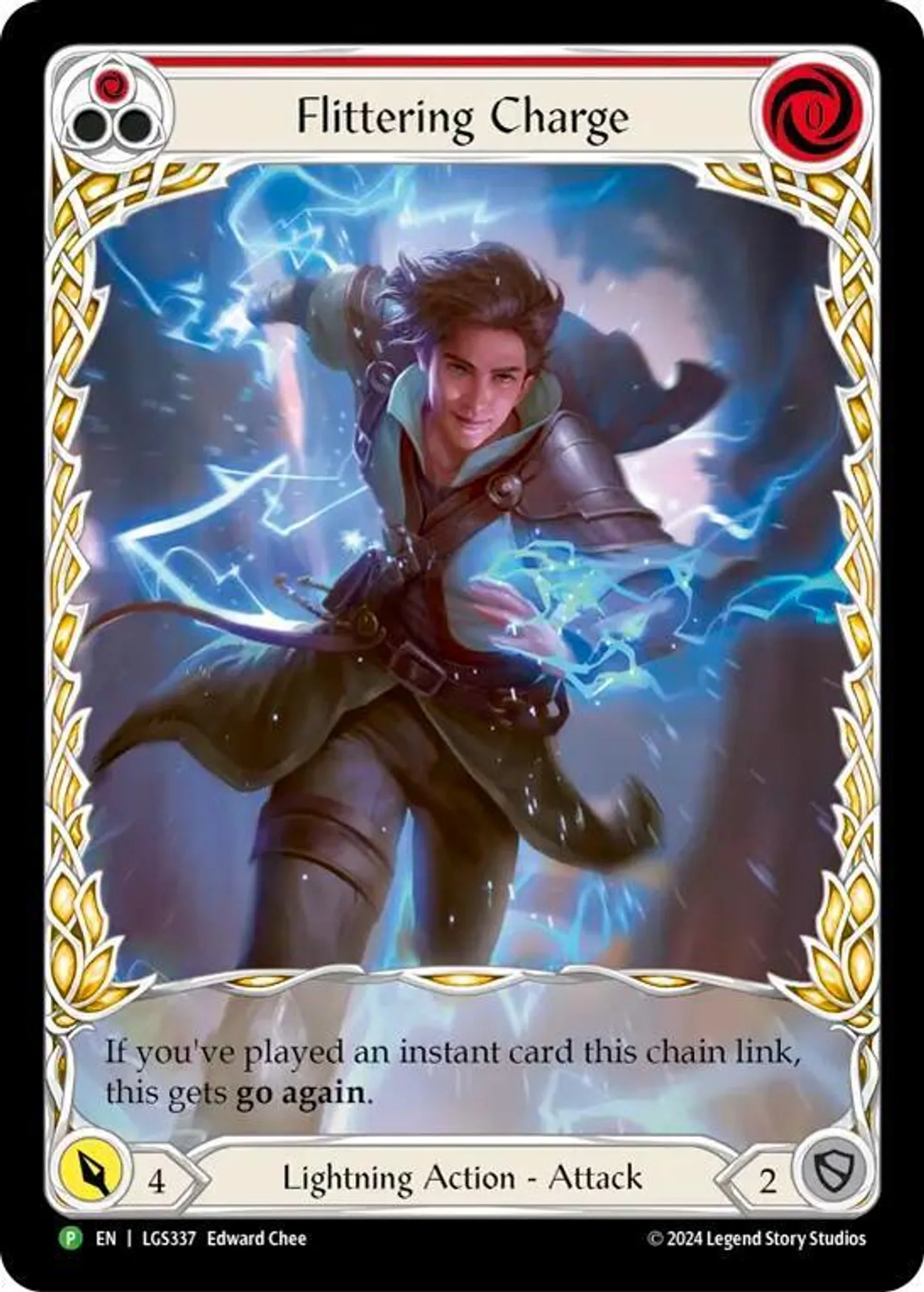
While preparing for the AGE Open Series, which I typically don’t get to play in because I work behind the camera, I was struggling to find a deck I wanted to play and had decided I was just going to bring Kayo. Once again I was rescued by the incredible people I have the pleasure of calling teammates. Hazel popped in the Briar channel of the discord with a deck list of what they have been working on for Briar post-ban. The first things I noticed about the new list was the presence of blue Flourish, and the lack of Flittering Charge. I made my concerns known and added, “If we work Flittering Charge back into the list, we would get to keep the Voltaris synergy and this card (Ion Charged) also buffs the sword. Electrostatic Discharge could also take this spot to be fair.”
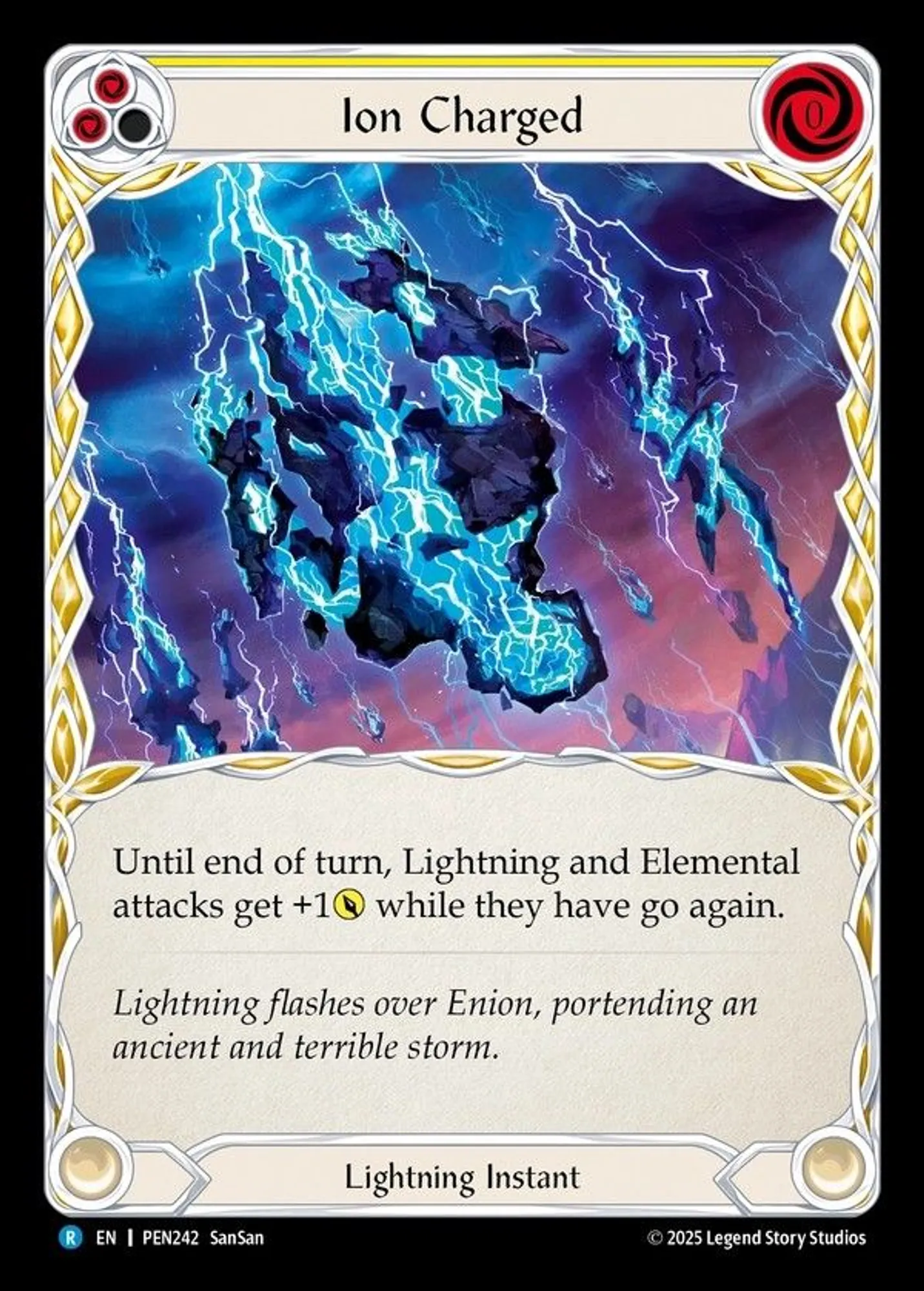
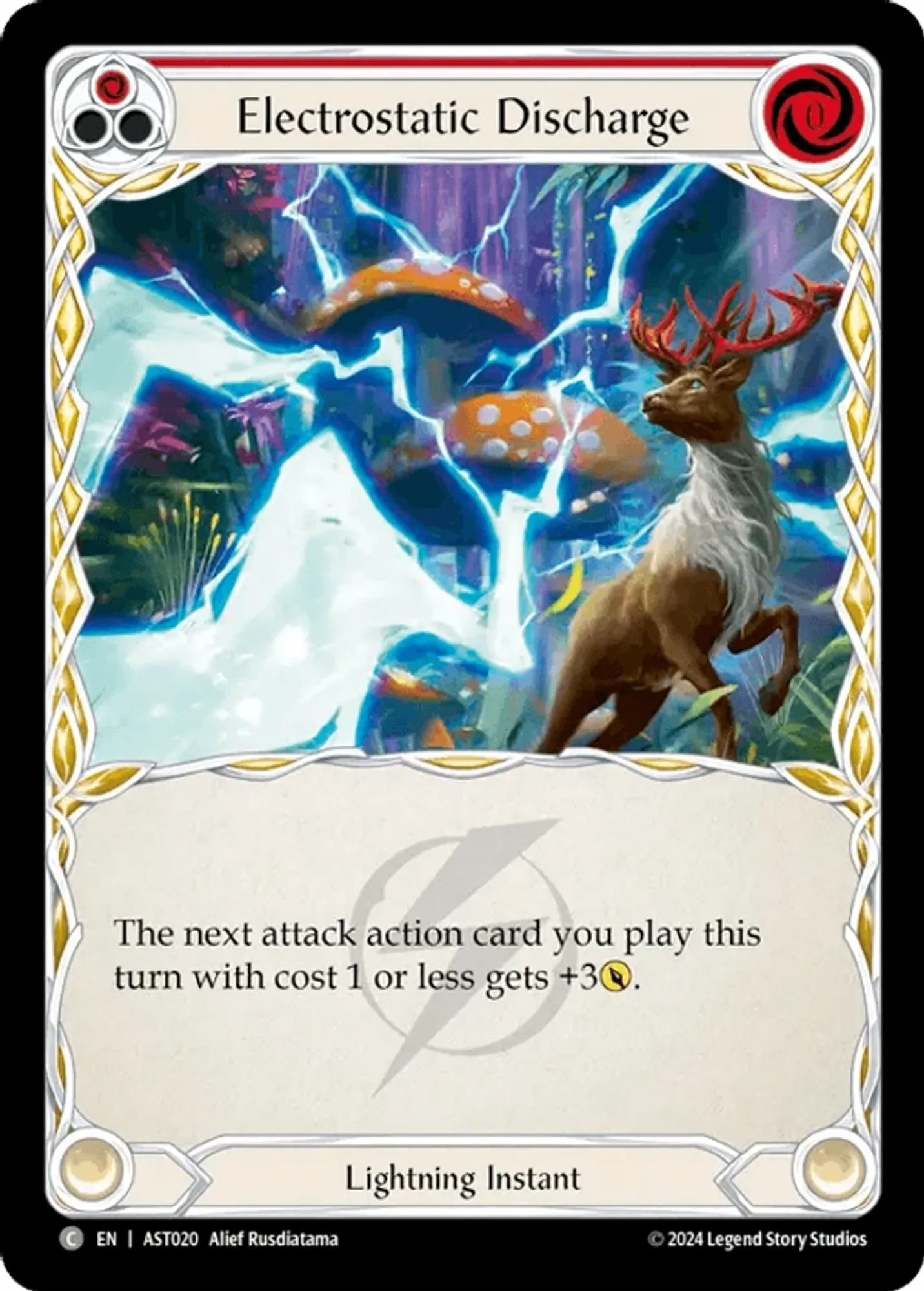
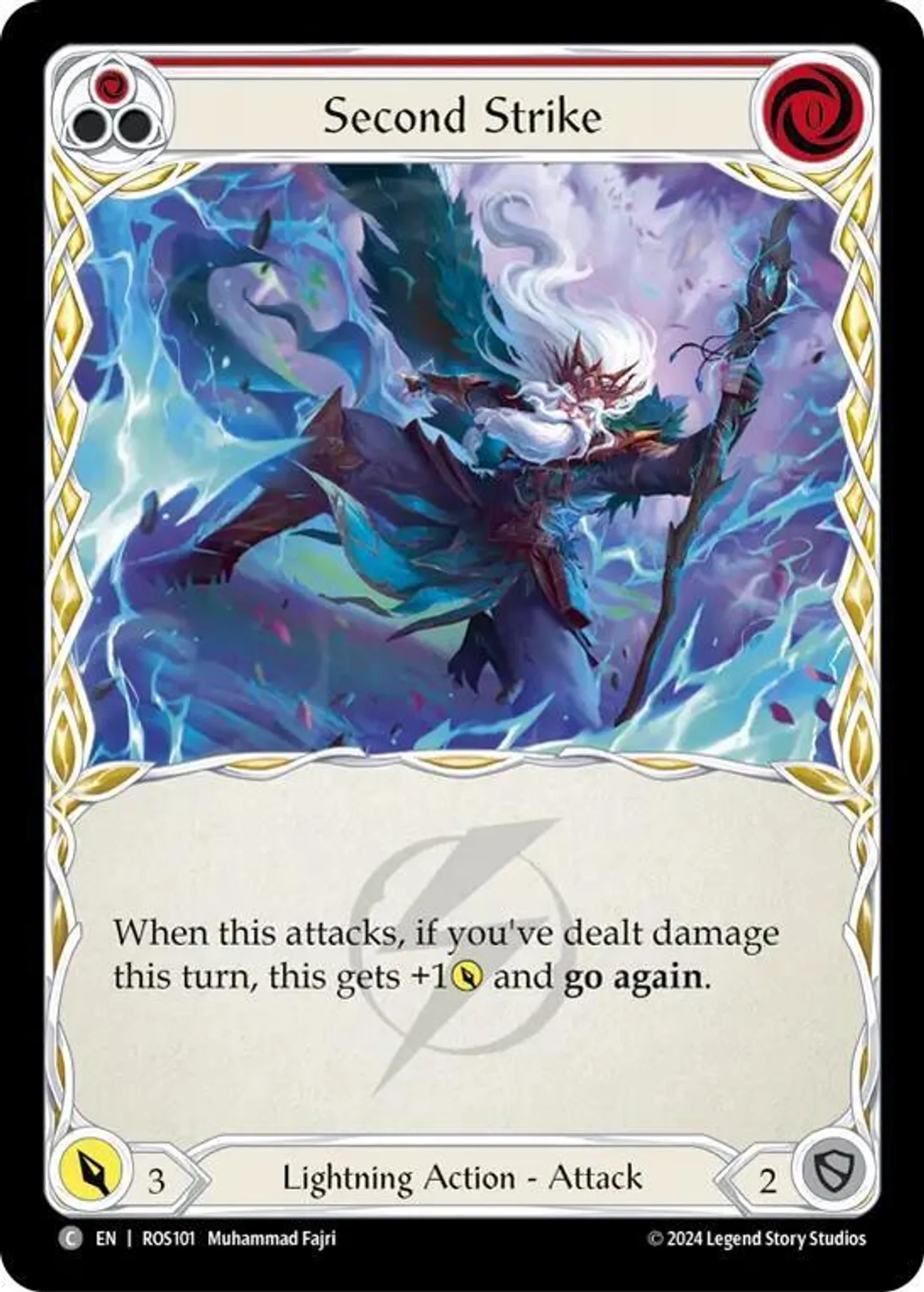
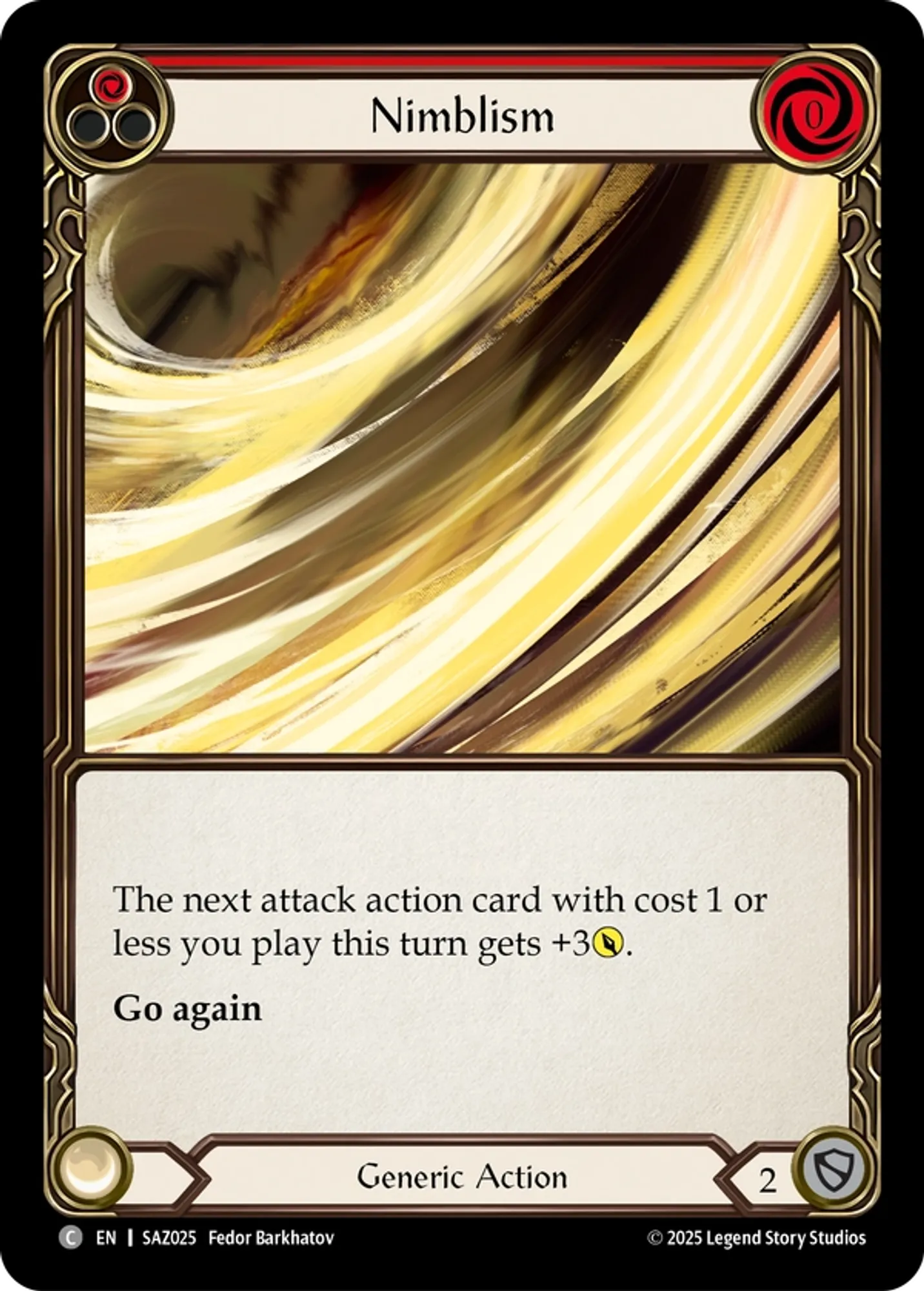
Flittering Charge was instantly an all-star. While unassuming on its face it quickly opened up an avenue of tricky play patterns that further stressed opponent decision-making and knowledge. With three new instants to play, blocking Flittering Charge became a dubious proposition. Second Strike also quickly went from a mediocre Lightning card to one of the hardest cards to plan around on any given turn cycle. Sigil of Voltaris pops at the start of the turn, what do you do? Do you pay the one for Arcane Barrier while seeing an opponent with a full four cards of potential dynamite? No? Now that dynamite just became even more explosive, Second Strike gets one additional power and Go Again. You paid one to Arcane Barrier the ping and now you have a bunch of 0 for 4s to try and block cleanly in order to potentially deny Second Strike value. Second Strike also creates a mind game on its own when fused with Entwine Lightning. Revealing the Second Strike tells your opponent to block but there are a plethora of tricks in order to secure the value and can mentally tax the opposition into making a mistake.
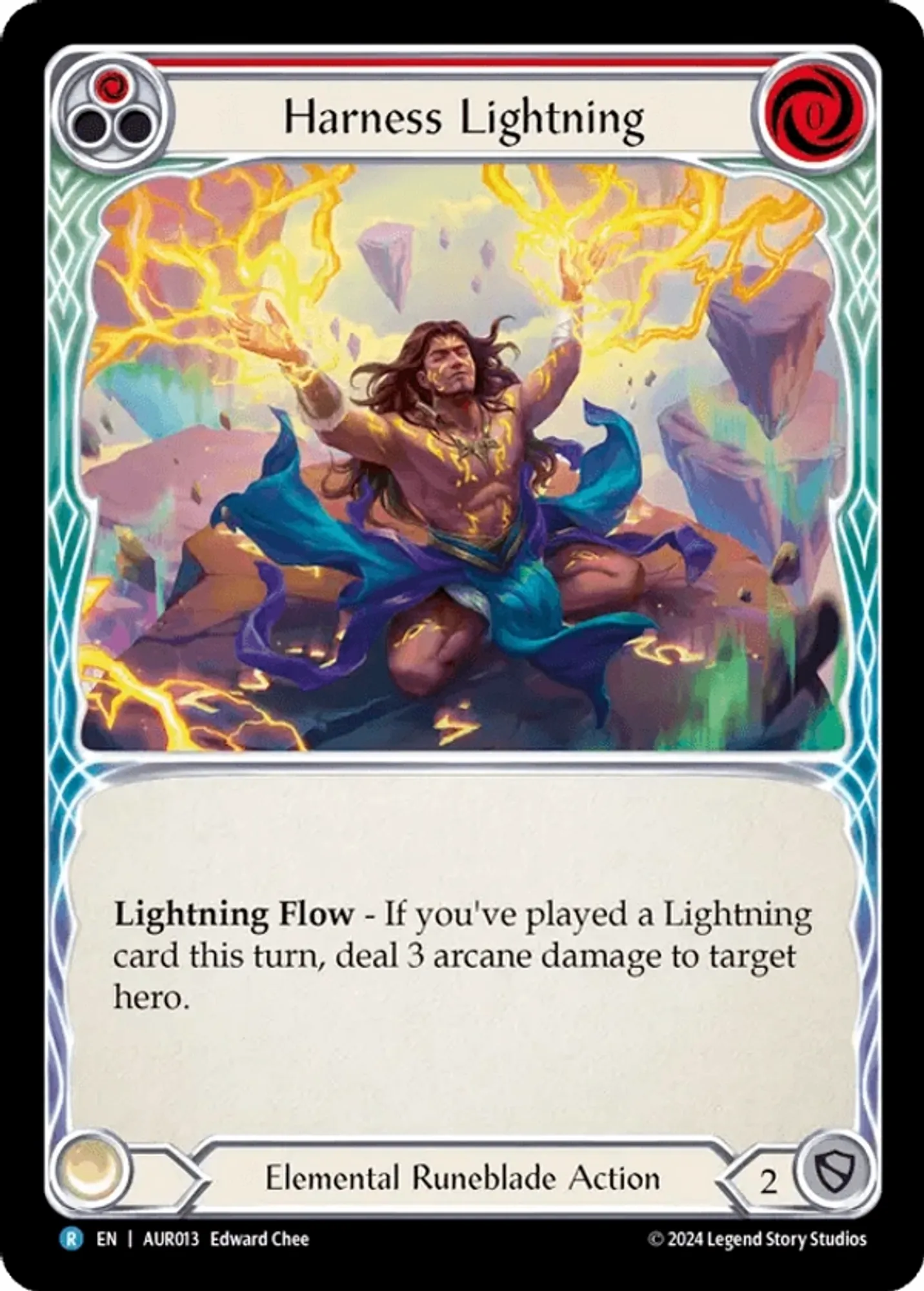
Hazel and I immediately jumped into more focused testing and found that even without Burn-up//Shock and Lightning Press the deck is still every bit as efficient as we remembered. Kayo could not keep up outside of very specific high rolls and most of the other off-meta aggro decks were simply not fast enough. Then we found a problem: Stack Florian. The first few games went decidedly in favor of Stack Florian. We did some retooling of the sideboard plans and found room to include Ion Charged and Harness Lightning in efforts to punish Florian for the amount of 2-blocks the deck had. Stack Florian never won a game again for the rest of the evening. Being unable to sacrifice the physical armor for Arcane Barrier left Florian in a spot where no matter what armor they presented, we had two plans to navigate the game and prevent them from getting the full value out of either configuration. New England was a very heavy Stack Florian meta when it was in CC (outside of one Noah Beygelman). Conveniently this new sideboard plan made a very clean swap of four cards. Four Sigil of Suffering in every matchup that was not fatigue, Florian, or Kano. Once again it felt like we found ‘The Sauce.’
Scam Briar
The March AGE NE Open comes around and, once again, we get to put on a show with two out of four present members on the deck making Top 8. Jacob and I both make Top 8 and we're both dispatched shortly in the quarterfinals. Jacob falls to Kano, while I die to Connor Bryant on the ol’ Wombat Dash. Connor and I play another game for fun and I'm able to get the run-back keeping the same conditions of who went first in the matchup as he was the higher seed. Satisfied with the decks performance, Team Salt the Wound leaves happy and ready to explore the formats ahead. The deck still holds a very solid overall win rate in the format at 71% overall across forty-five games with only a 3% deviation between going first and second. This is an overall small sample size and I'm sure the numbers will change slightly as the format evolves.

You've had the Kool Aid, Now Here's the Catch
So the offensive numbers are impressive, the gameplans are solid, and you have the ability to kill people at instant speed. There has to be a catch to this right? There has to be some trade off for this kind of power? The fact of the matter is this version of the deck can be extremely punishing on mistakes and the mistakes aren't necessarily as upfront as some of the more prevalent decks in the format. Sigil of Voltaris is not always as easy to play as it seems. There are many games where you have to be disciplined and look for the windows of opportunity to deploy it to make sure to get the maximum amount of damage you can from it. You have to play a mini game within the mini game while both players are jockeying for the tempo advantage and, should you pick wrong, you can lose one of your most powerful tools and potentially the game.
This also comes at the cost of your deck not blocking as well as previous iterations of SAGE Briar as there are many more instants in the deck and less attack actions that block for three. Picking spots to save life is critical in this deck. Sometimes you need a sort of precognition that you can only gain with experience when deciding to convert 3 value on offense or defense. The method I use is not unlike counting cards in other games. I do my best to keep a running plus or minus value to the deck based on what cards I've seen and I try to do this for my opponents’ decks as well. Obviously it is harder to keep a count for your opponents’ decks because every now and then there will be some strange inclusions, or odd numbers you can’t predict, but the overall principle is the same. I assign a number to power cards, roleplayers, and defensive cards. Sometimes this is adjusted based on key cards in the matchup. Power cards get a value of one, roleplayers get a value of zero, and defensive cards get a value of negative one. This allows me to make decisions based on the amount of power I expect to be left in both decks, indicated by the integer value at any given point in the game. What this does for me as far as influencing my blocking decisions is that it lets me parse if I can be greedy and take extra damage to convert for better offensive potential because I'm behind, or if i have to be more reserved because there is more power in my deck and the way I lose is by taking unnecessary damage. While not a perfect assessment I find that this method helps me navigate unfamiliar game states. For example, If the integer in my deck is -2 then I have had some very anemic draw sequences and know that I have to survive until I see some more powerful offensive pieces. The threshold in which these integers can be applied varies on the deck and life totals and can be utilized best when stress testing those limiters and finding the fail states where this method no longer is applicable.
The third and final potential negative is that sometimes you just don't get a say in how to play your hand much like when Kayo draws a bunch of non-blocking cards and has to convert his only blocking cards into a life buffer or resign to not blocking at all. I, like many players in the Flesh and Blood world, desire this mythical concept called agency. Now agency, depending on who you ask, is either a real and very important aspect of why they play this game or irrelevant because it's fake anyways. Both of these opinions kind of find a weird way to seep into the deck. There have been times where I have drawn two instants that don’t interact with my sword and two defensive cards, albeit this is a rare occurrence. There aren’t a ton of high-impact ways to convert that hand given the game state. I wouldn’t get too hung up on this one as you do have the ability to mitigate these types of failure states based on how you prioritize the instants and defensive tools into your overall macro plans. Unfortunately, the sad reality is sometimes you just lose to your deck, but as the numbers show it's a pretty small percentage.
The Secret Is Out.
Tokyo FAB hosted their Battleground on March 28th, 2026 with a total of 86 players. Among the Top 8 was Masa on a Briar deck that looked very familiar. The difference between the two decks was a single card. Masa was kind enough to sit down with me and chat about his run and the decision to change a singular card. Ironically, the change was made because he was unable to find a second copy of Electrostatic Discharge and played a Photon Rush in that spot instead. However, the important part was that in seven rounds he dropped only a single game to a content creator known as Kana in a Briar mirror. He played some of the best players in that event and came out with a record equivalent to those who are able to make day two of a Calling. Presenting Arcane Barrier had proved to not matter as it had not mattered for us. You can only sacrifice two defensive value so many times in a game before it becomes cumulative and can no longer turn the corner to win. Ira, Kano, Kayo, and Valda all fell to this new brand of Briar. This meant that the deck could no longer be labeled as a fluke. Masa fell to Oldhim in the quarterfinals of the event and said he was not very prepared for that matchup.
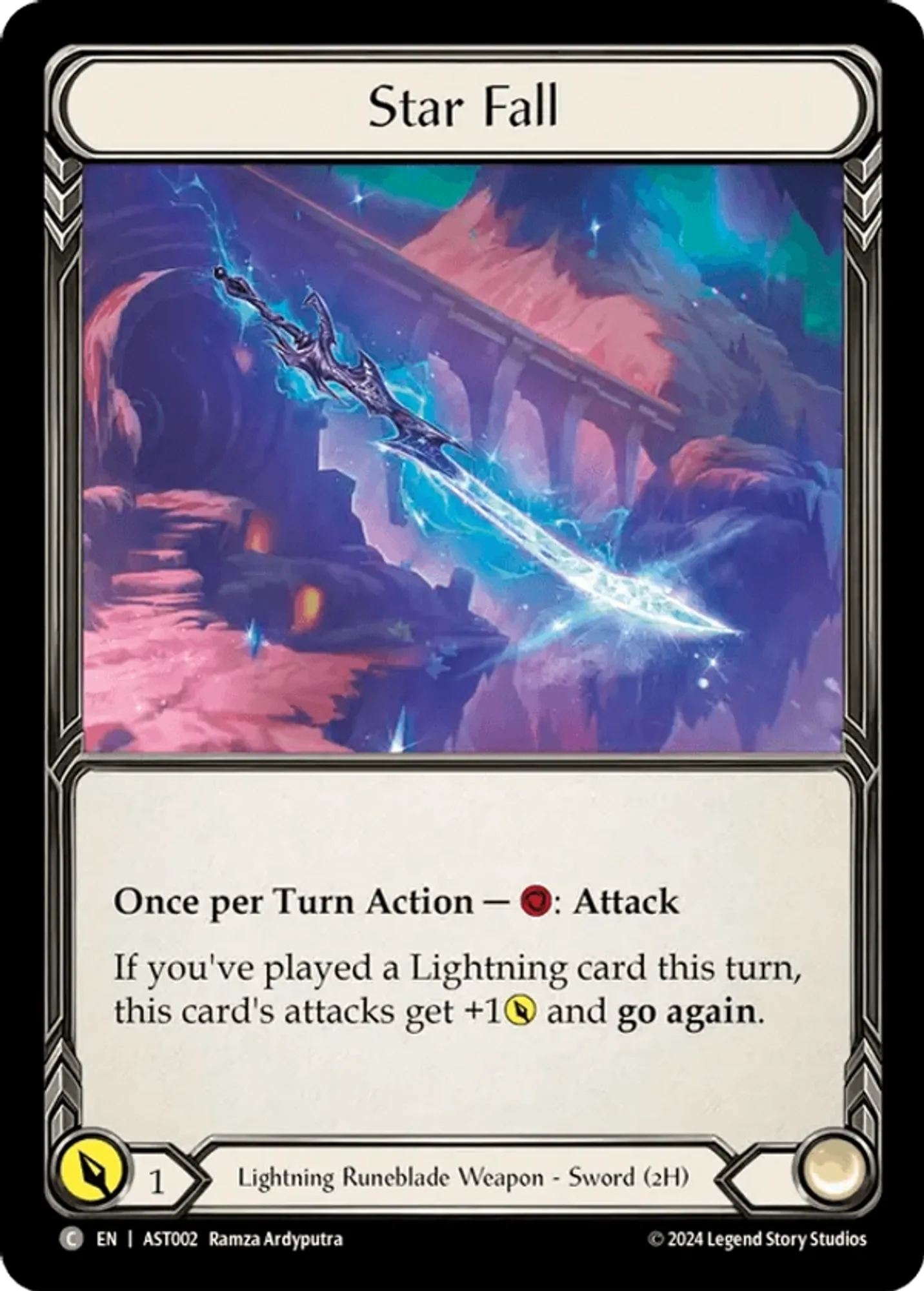
In Calling Shanghai, Chris Iaali navigated to an X-1 day one record on Scam Briar. Chris had his own changes for the meta he was expecting but overall, this deck is strong and rewards those who take the time to practice even in the volatility of the Silver age format. Chris put on an absolute clinic making his way into Top 8 and dispatching Evan Herndon on the perceived best deck in the format, Kayo. He then proceeded to blaze past Kano into the finals where he battled Enki Dupaquier on Valda for the coveted title of Calling champion. Sigil of Voltaris looked absolutely brilliant here. Chris was able to find a line to stay alive at 1, push a Star Fall attack for five with Go Again, floating two resources, and activated Beckoning Haunt to retrieve a Sigil of Voltaris, which provided Enki with a discount on his precious life total early in the game. Sigil came out at instant-speed and stripped an extra card from Enki’s hand. Enki realized he could not attack into the makeshift prison of Voltaris and Flash of Brilliance and holstered a card in his arsenal for a hopeful future endeavor. Unfortunately, Enki had to go down on defensive value to pitch to Arcane Barrier and was now left with only three cards in hand. Chris presented an Arcanic Crackle for nine with Go Again and a single arcane ping. Enki had no choice but to block with his Civic Peak, allowing Chris to draw an extra card to confirm the kill. Congratulations to Christopher Iaali on his Calling victory.
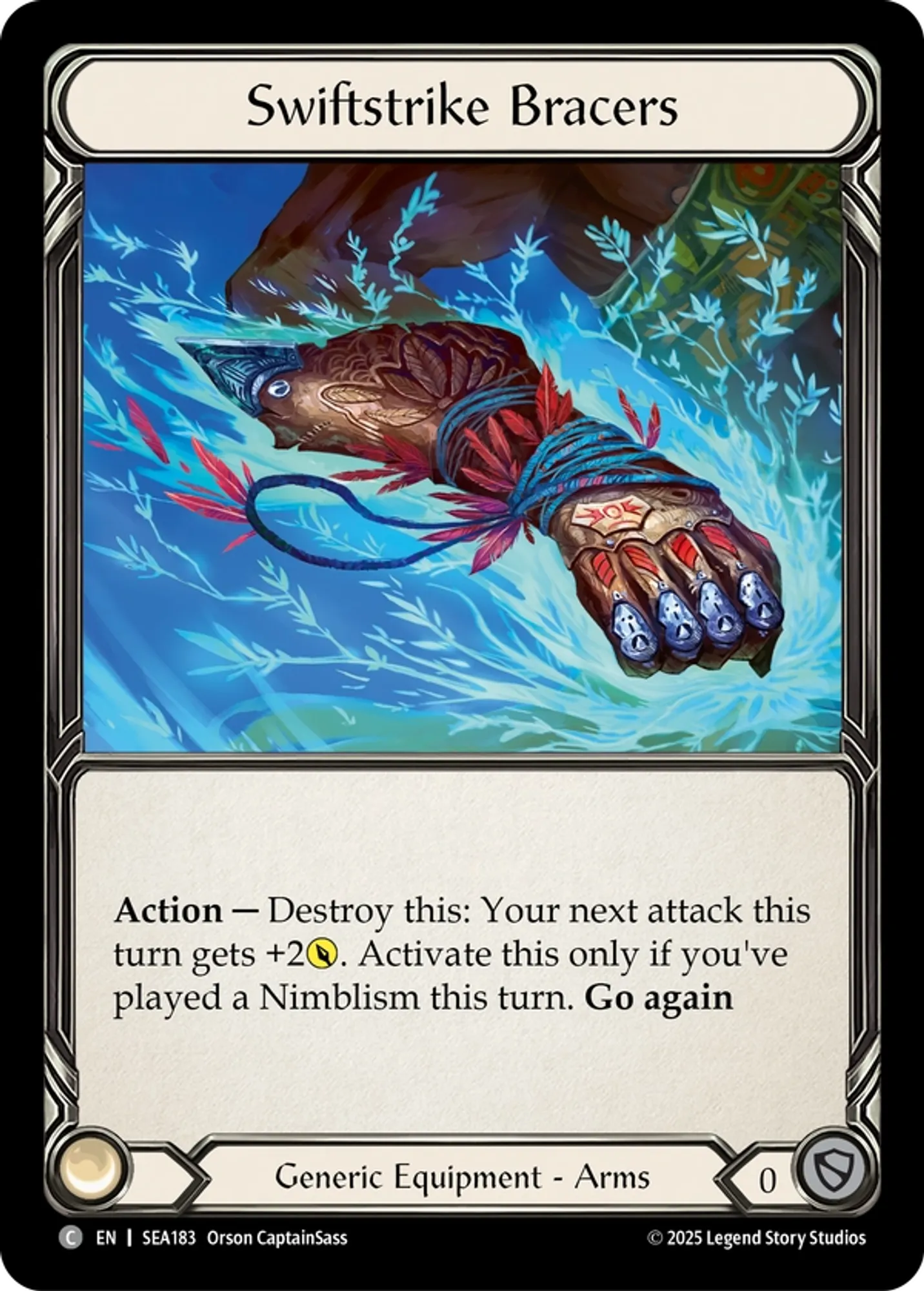
Chris made a deviation of six cards from the deck my team and I played at The March AGE NE Open, clearly hedging for a different metagame based on what I can only assume is hours of testing for the Pro Tour. He decided to bring back the Evergreen anti-fatigue package, Bramble Spark, Arcanic Crackle, and Swiftstrike Bracers. The two Runeblade actions supported the overall arcane scam plan and Swiftstrike Bracers turned into a good SIPSIP component into the matchups where you really need to push extra damage. Notably the Swiftstrike piece does buff Star Fall and opens up some very interesting and potentially powerful sequencing pivots for the deck The format has many more avenues to explore and I'm sure the format will continue to evolve rapidly, however there is no doubt in my mind that Scam Briar has the ability to be a contender at Pro Tour Yokohama and metagames beyond. The deck is incredibly fun to play and very rewarding each and every time you win.
Are you Going to See Someone Get Scammed at the PT?
So what does the future of the deck look like? I would largely expect an uptick in Oldhim/Terra in attempts to combat this version of the deck, but even with a Calling win people are still in doubt. With a Briar precon on the horizon, and a statement from LSS saying that they will unban cards as necessary to make the preconstructed deck tournament legal off the shelf, I can only surmise that the deck will become more powerful and an even stronger force in the metagame. If either Lightning Press or Burn-up//Shock return, there is very real potential for this archetype to be Chane levels of dominant until the player base finds a way to adjust or the developers eventually vote her out of the format. I think after its performance across several different regional metagames, encompassing three separate countries, Scam Briar is the deck that's going to stomp the unprepared and make rippling waves across the community.
Jesse Harper
Jesse Harper is a Navy veteran with long-time TCG experience spanning back to Magic The Gathering's 7th edition release. As an Aviation Electronics Technician, he is constantly solving puzzles and is always looking for the next solution. Known as the "Talishar Lexi guy," or "Riptide Jesus," in some circles; Jesse is constantly looking to push the boundaries of creativity and power in deckbuilding. Having started his Flesh and Blood career in the Monarch era, his love for the game has only grown with each passing set.